 Angel's Smile Dental Care Center



Why Won’t Teeth Whitening Remove the Stain on My Tooth?
I’ve been whitening my teeth because they’ve gotten more yellow over the years. Most of my teeth are looking much better, but I have one darker area on a front tooth that doesn’t seem to be changing at all. I’ve tried leaving the whitening gel on longer, but it hasn’t helped. Should I use more gel on that particular tooth, or do I just need to keep whitening longer?
Eric
Dear Eric,
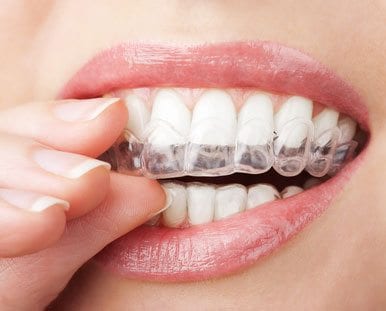
I’m glad you asked before continuing to increase your whitening time. When the rest of your teeth respond to teeth whitening but one spot or tooth does not, the problem may not be something that additional whitening can solve.
There are several different reasons teeth become discolored, and the type of discoloration determines which cosmetic dental treatment will work best.
Not All Tooth Stains Are the Same
We tend to call any discoloration on a tooth a “stain,” but dentists generally distinguish between external and internal discoloration.
External, or extrinsic, stains develop on the outer surface of your teeth. Common culprits include:
- Coffee and tea
- Red wine
- Tobacco
- Dark-colored foods and beverages
- Plaque and tartar buildup
Professional cleaning can remove some surface staining, while teeth whitening can address discoloration that has penetrated the enamel.
Intrinsic discoloration, on the other hand, originates inside the tooth. Depending on its cause, it may respond differently to whitening—or may not respond enough, which will create an uneven-looking smile.
Why Is Just One Tooth Darker?
When one tooth is noticeably darker than the surrounding teeth, I would want to know why before recommending additional whitening.
A tooth can become darker after an injury, sometimes even years after the original trauma. Changes inside the tooth can cause it to appear gray, brown, or yellow compared with neighboring teeth. This may mean that the tooth needs a root canal treatment.
Developmental conditions and certain medications can also affect the color of tooth structure. White or brown areas in the enamel may have a different cause than the general yellowing that responds well to conventional whitening. These would require some microabrasion and dental bonding.
There is another possibility that is easy to overlook: the darker area may not be natural tooth structure at all.
Teeth Whitening Won’t Change the Color of Dental Work
Whitening products work on natural teeth. They cannot whiten porcelain crowns, porcelain veneers, dental bonding, or even white fillings.
This can become noticeable if you have older dental work on a front tooth. A restoration may have matched your teeth beautifully when it was originally placed. If you later whiten your natural teeth, however, those teeth may become several shades lighter while the restoration remains exactly the same color.
That can leave what appears to be a stubborn dark area even though the whitening itself is working perfectly.
If that is what is happening in your case, using more whitening gel won’t help. The restoration may need to be replaced to match your newly whitened smile.
Don’t Try to “Spot Whiten” Without Knowing the Cause
It may seem logical to apply extra whitening product to the darker tooth, but I wouldn’t recommend doing that without having the tooth evaluated.
Excessive whitening can lead to tooth sensitivity and gum irritation without doing anything to correct discoloration that doesn’t respond to bleaching.
More importantly, a change in the color of an individual tooth can sometimes indicate a dental problem that should be addressed for health reasons rather than simply covered cosmetically.
Your first step is to find out why that tooth looks different.
What If Whitening Can’t Fix It?
If the tooth is healthy but the discoloration does not respond adequately to whitening, cosmetic dentistry gives you several other options.
Depending on the condition of the tooth and the type of discoloration, treatments such as dental bonding, a porcelain veneer, or a porcelain crown may be able to create a natural-looking result that blends beautifully with the rest of your smile.
The important thing is choosing the treatment based on the cause of the discoloration rather than simply continuing to whiten.
Get the tooth looked at first, and then you’ll have a solution to this stubborn tooth.
This blog is brought to you by Angel’s Smile Dental Care, the only female-owned dental practice in Draper, UT.
Click here to learn about dental sedation options.